Month: September 2013

“Documentary 101” sampler, Part Five

img363

Now on sale as both a paperback and e-book: http://booklocker.com/books/6965.html Also available from Amazon and other online book sellers.

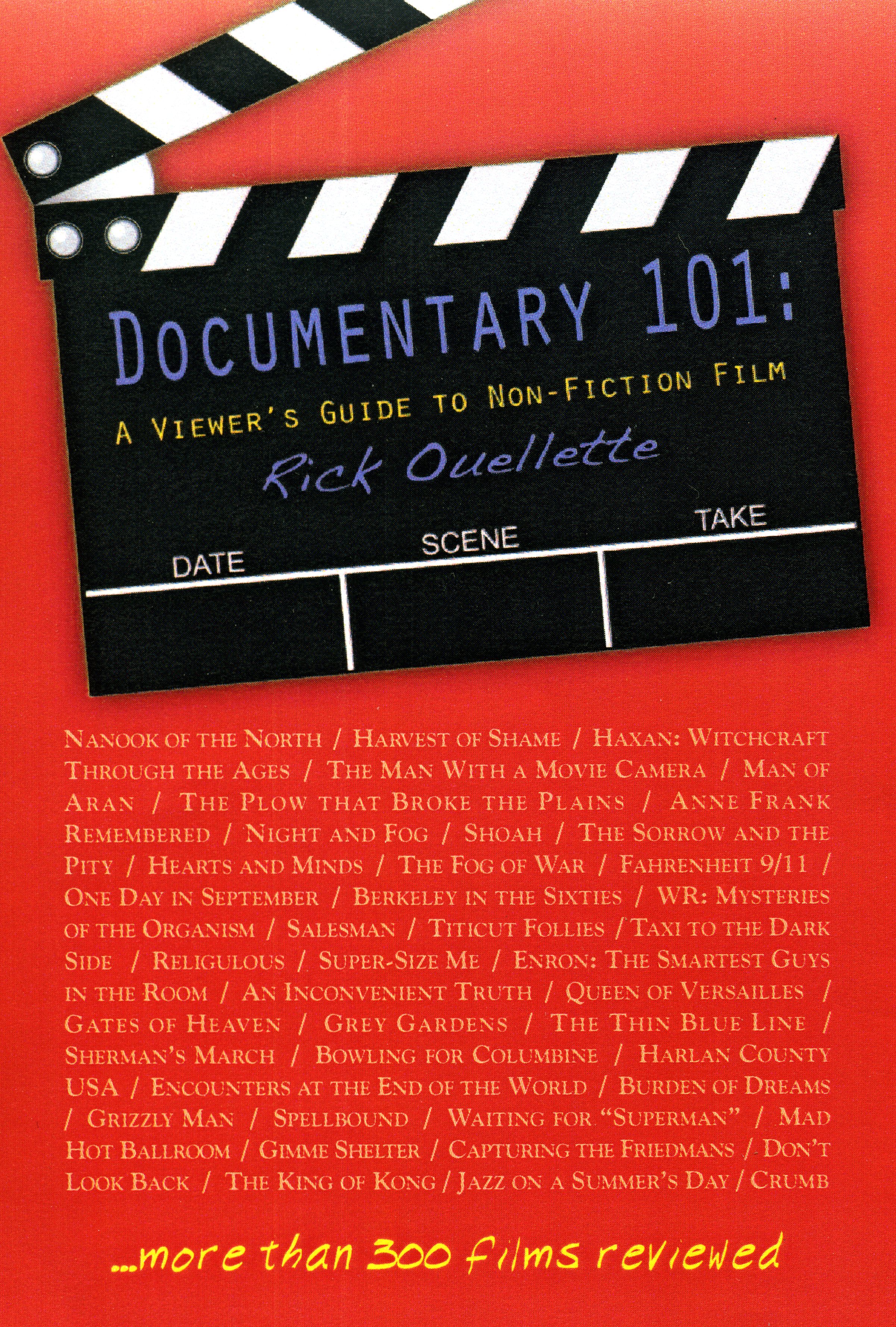
“Documentary 101: A Viewer’s Guide to Non-Fiction Film” is a first-of-its-kind anthology, covering the entire spectrum of non-fiction film from 1895 to the present day. There are 101 full-length reviews of documentaries chosen for their aesthetic prominence and/or historical significance, followed by briefer entries on related titles. There are 325 total reviews and an informational appendix in its 418 pages.
jazz

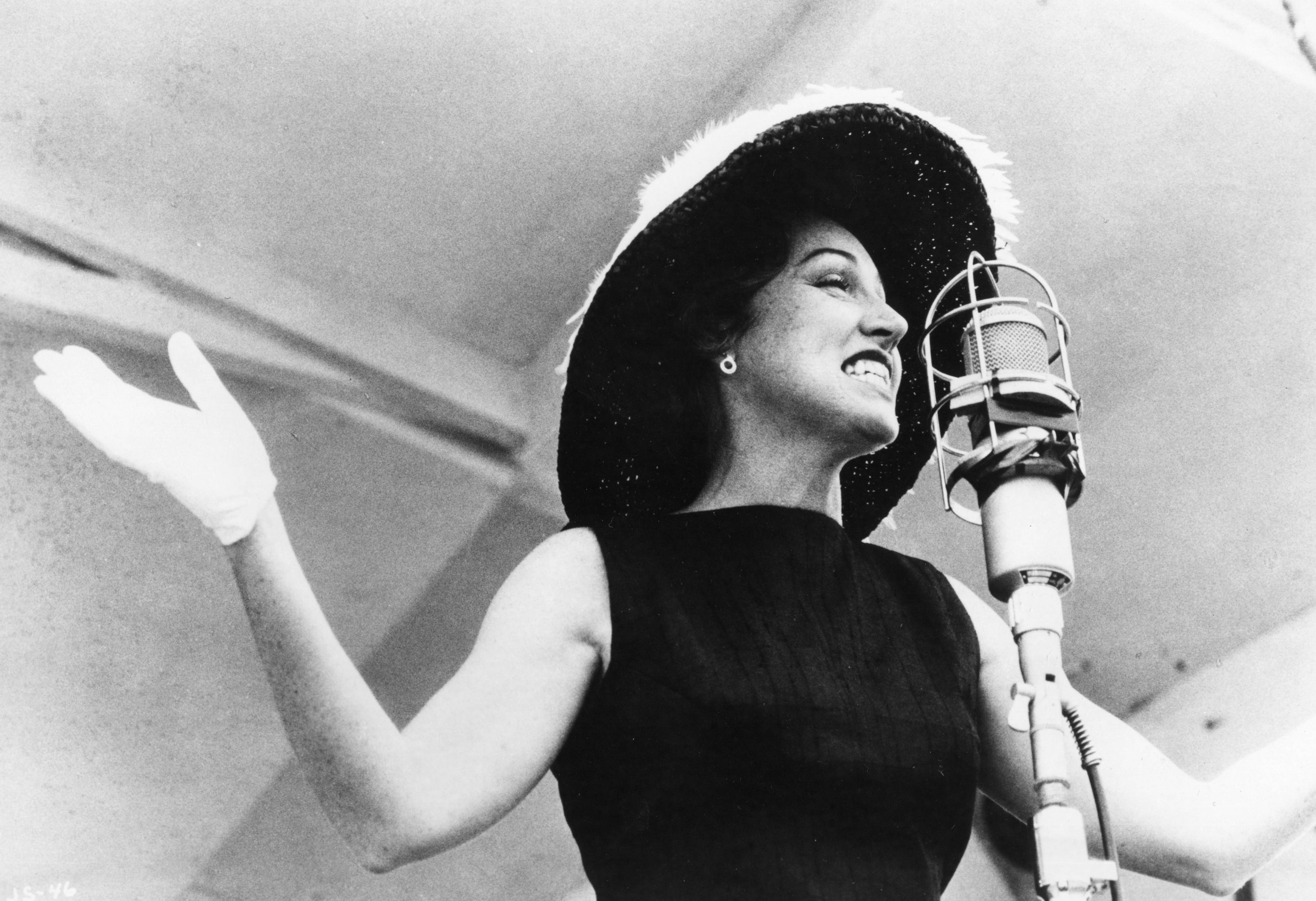
Several notable rock festival documentaries—”Woodstock”, “Monterrey Pop” and “Gimme Shelter” being the most famous—not only capture the giants of their genre in a live setting but also serve as sociological snapshots of their era. But in the half-generation that preceded those events, it was the annual Newport Jazz Festival that was the place to be for city hipsters and savvy suburbanites alike… Director Bert Stern quickly establishes the breezy carnival atmosphere of the 1958 edition of the festival as a moderately rebellious beatnik crowd blends into the gauzy, Eisenhower-era comfort zone with relative ease. The concert footage starts with Anita O’Day entertaining an afternoon crowd of more-formally dressed folks with some wild scat singing during her elaborate deconstructions of “Sweet Georgia Brown” and “Tea for Two.”
(Jazz on a Summer’s Day, 1959)

*************************************

best boy

It would be difficult to imagine a documentary style more personal than the one behind the Oscar-winning “Best Boy”. Director Ira Wohl followed his fifty-two-year-old developmentally disabled cousin Philly for three years, during which he gained a measure of self-reliance and entered the outside world for virtually the first time. It was Wohl himself, convincing Philly’s loving but elderly parents that their son should prepare for the time when they were not around anymore, who prompted this move to greater independence. Pearl and Max, are the very image of stoic, uncomplaining people of modest means who got along playing the hand that was dealt them. “If God wants to punish someone, he should only punish them with retarded children,” Pearl says, but even this comment seems free of bitterness.
(Best Boy, 1979)

**************************************
one day sept

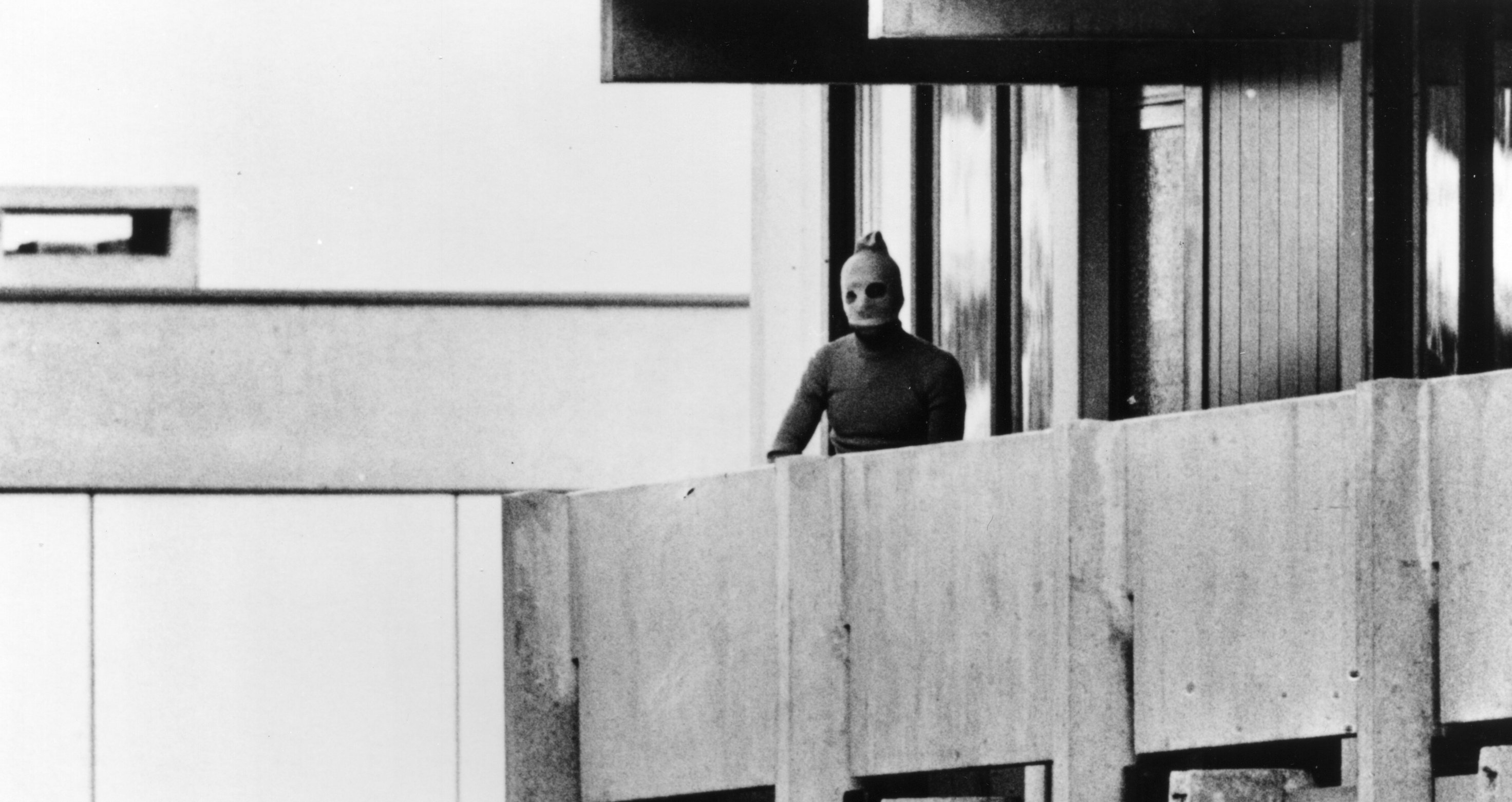
When Munich was chosen as the site of the 1972 Summer Olympics, World War II was not that far in the past, and neither were the sour memories of the 1936 “Hitler” Olympics in Berlin. So the event organizers were determined to show the world the modern liberal-democratic face of West Germany. But instead of the “Olympics of Serenity,” they got a globally televised nightmare when Palestinian terrorists invaded the athletes’ village, kidnapping and eventually killing eleven Israeli sportsmen. In his riveting film about the tragedy, director Kevin MacDonald views it as a watershed moment in mass media and as a momentous debacle of West German incompetence. For many Americans, when all those cameras turned away from the competition to focus on the sudden hostage story, it would be their first close-up view of international terrorism.
(One Day in September, 1999)

**************************************
herzog

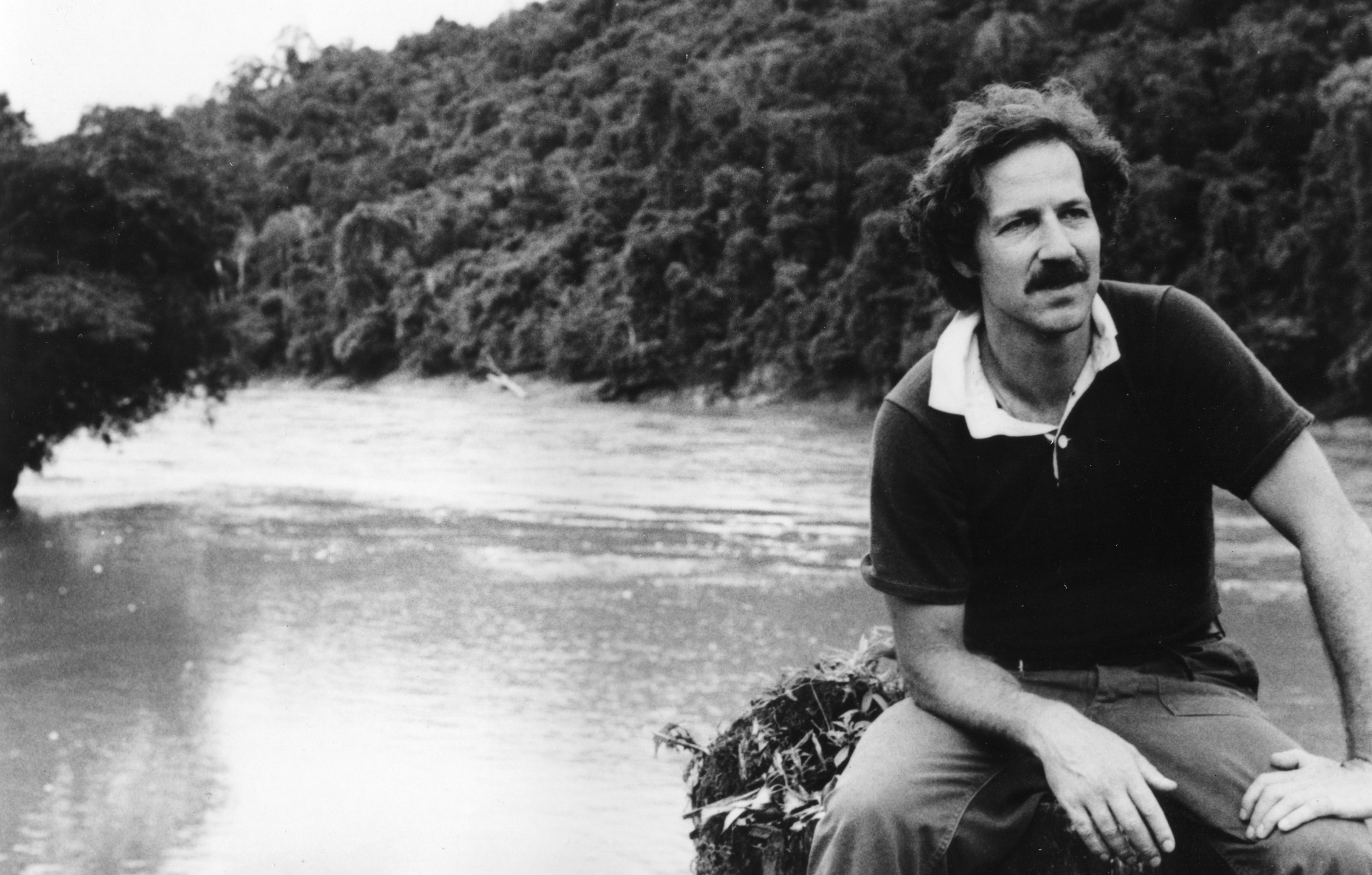
Werner Herzog’s “Fitzcaraldo” was the based-on-real-life story of an eccentric impresario whose goal in life is to build a grand opera house in the deep Amazon backcountry and have Enrico Caruso sing there. In the script, Fitzcaraldo is faced with navigational difficulties in the pursuit of that goal and decides to have his hired hands haul his three-hundred-ton steamship up and over a mountain ridge to a parallel river. Herzog hired local men as extras to do just that, spurning the idea of doing a process shot, bringing the art of cinematic realism to a new extreme. The easygoing Les Blank was just the man to coolly record the monomaniacal impulses of both Fitzcaraldo and Herzog (“I live my life and I end my life with this project,” the director tells us at one point) and deftly examines the dizzying heights and desperate depths that such an attitude will lead to. “I don’t want to live in a world where there are no lions anymore,” Herzog says at one point. Yet with the coming age of demographic targets, played-down-to audiences, test endings, and the like, it is little wonder that those of Herzog’s ilk found it ever more difficult to foist something like the beautifully crazed fever dream of Fitzcaraldo onto to the public. But as Herzog puts it, “all these dreams are yours as well.”
(Burden of Dreams, 1982. Werner Herzog is pictured on the set of “Fitzcaraldo” in a photo taken by Blank’s trusty editor and sound recordist, Maureen Gosling)
sky above

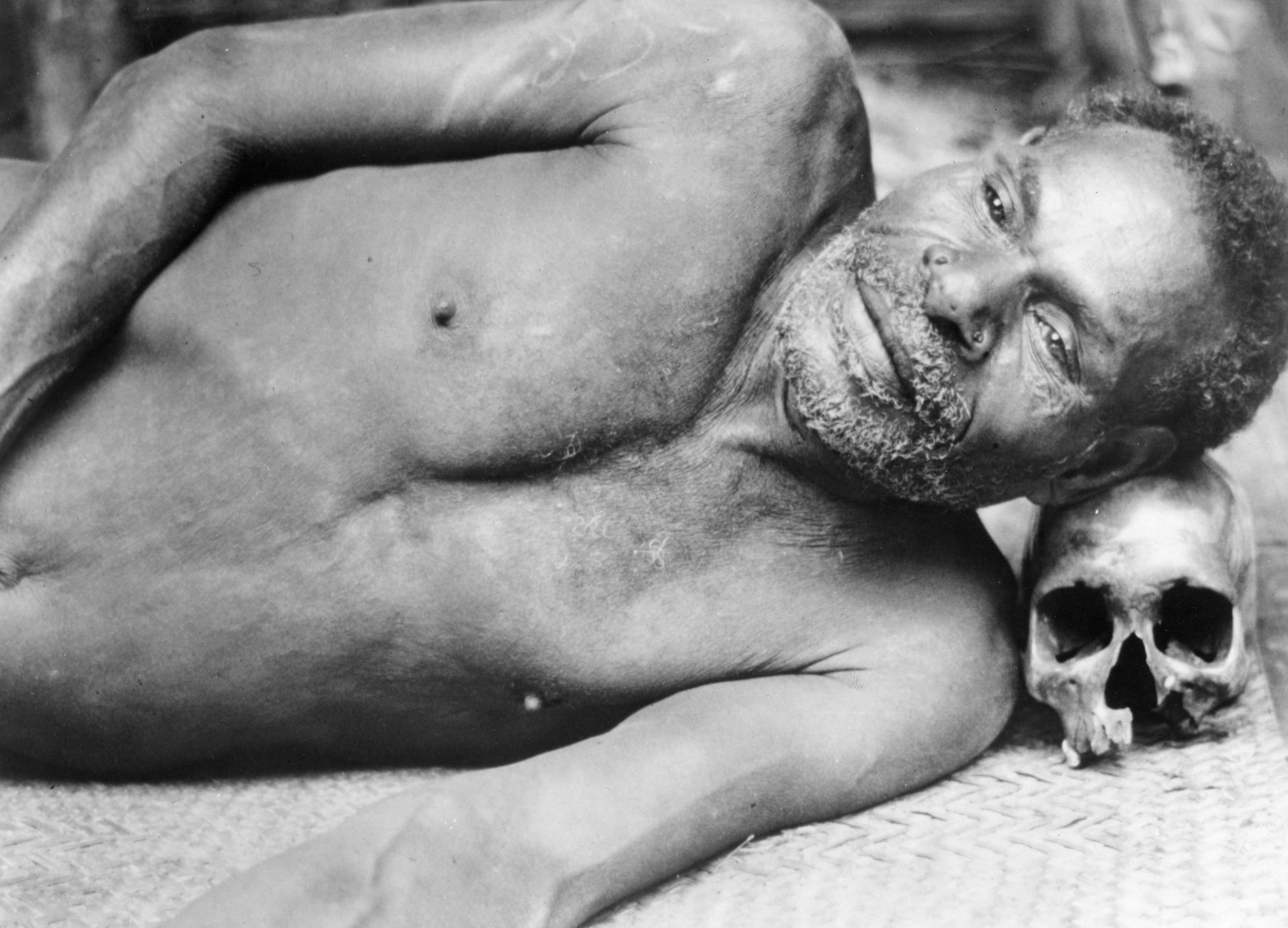
Almost two hundred years after Captain Cook discovered New Guinea, French explorers set out for the same island, most of which has changed little since the Stone Age. Although director and expedition leader Pierre-Dominique Gaisseau contemplates the different eras as he stares out the jet window (“distances have lost their meaning”) this is no week at the beach. His group is to bisect the island on foot, a distance of 450 miles (150 of them uncharted) and an area still replete with headhunters and virtually impassable jungle growth. Gaisseau’s journey into “blank spots on the map” is memorable; the team deal with dense masses of undergrowth, monstrous rivers, and days spent nervously negotiating the island’s formidable central ridge, which tops off at 12,000 feet. Just as risky and unforgettable are their meet-ups with indigenous warrior tribes little changed since the days when Cook and his crew beat a hasty retreat from the island.
(Sky Above, Mud Below, 1961)
Fly Me to the Moon on 70mm Wings

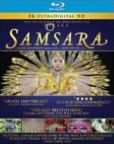
Samsara

The Now and Then Documentary Spotlight
Samsara
Directed by Ron Fricke—2011—98 minutes

When I decided to replace my Doc of the Week feature with a less time-pressured spotlight series that considers newer non-fiction films with their cinematic antecedents, I chose to kick it off with Ron Fricke’s 2011 piece, “Samsara”, now available in a glorious Blu-ray edition. There was a reason for this: documentary escapism. After completing my book “Documentary 101” I was a bit war-weary in the wake of seeing and writing about so many films that grappled with some of the world’s toughest issues. A sampling of the current news cycle—focused on the Syria crisis, America’s ever-widening income inequality (a new report says it’s the worst since the introduction of progressive taxation a century ago supposedly ended the Gilded Age) and the latest depressingly predictable mass shooting (just down the road a piece from the NRA boot-lickers on Capitol Hill)—only reinforced this feeling. I felt like Bob Dylan in the last verse of “Mr. Tambourine Man”, asking to be delivered to a place “far from the twisted reach of crazy sorrow.”

So let’s forget about today until tomorrow and go for a ride with Ron Fricke. He first made his name as the cinematographer for “Koyaanisqatsi”, Godfrey Reggio’s trippy, non-narrative blend of travelogue, implied social critique and cool special effects that was a bona fide arthouse hit in the Eighties. Soon after, he employed the same style of eye-popping 70mm photography when he directed the 40-minute “Chronos”, an early favorite in the newly popular IMAX theaters. He followed in 1992 with the feature-length “Baraka” of which “Samsara” is a sort of belated sequel. Mind you, these types of films (“guided meditations”, Fricke calls them) you just don’t churn out. It apparently took him five years to assemble these just-so visual gems, using painstaking large-format equipment and traveling the four corners of the earth. From the exotic Balinese dancers and mandala-constructing Tibetan monks that ease us in, to the various sites of exquisite historical antiquity, the viewer is lifted into the heavens of visual revelation. Shots of the vast complex of Buddhist temples and pagodas on the Bagan plains of Mandalay look like they could stand in for the Red Planet in a hi-def remake of “The Martian Chronicles.” To extend the “Tambourine Man” gambit one last time, Fricke is certainly enamored with the “foggy ruins of time” and the images of man-made monuments and ageless natural wonders are impressive and transportative. But even in the midst of this Panavision paradise, I knew there would be a catch.

There always is with this genre. Subsequent viewings of “Koyaanisqatsi” left a slightly sour aftertaste with the feeling that Reggio only seemed to approve of nature and Hopi mysticism; the modern world is depicted as a time-lapse whirl of frantic chaos or slowed down to a death crawl. In scenes of assembly lines and rush hours, regular people are made to look like either sardines in a can or rats in a maze. This is unfair to productive, workaday citizens when the powers-that-be behind the problems that the director seemingly cares about (environmental degradation, say) are sure to be out of the sight and unacknowledged. In the end, that’s the problem with the kind of non-verbal film—the camera is the only context.

See if you agree. Thanks to science (and the YouTube poster)you can now watch the full “Koyaanisqatsi” in 5 minutes at 16x speed.)

http://youtu.be/QSTTOO5-xSI

That has been less of a sticking point with Fricke’s work: he appreciates man’s built environment and largely avoids the whiff of elitism that hovered around Reggio’s “Qatsi” trilogy amid all the jaw-dropping imagery. Still, during “Samsara” there are the usual disconcerting segues. We go from the devastated aftermath of Hurricane Katrina to the Hall of Mirrors at Versailles, from African tribesmen to a kaleidoscopic flyover of L.A. at night. At about 45 minutes in, the joy ride ends and we’re left with the killjoy images of folks toiling to fill the ungracious demands of a mass consumerist world; gun culture and the international sex trade also come under a critical gaze, if only in passing. As a subject for further study, you could also check out 2011’s “Surviving Progress.” It combines the impressive visual scale of the guided meditation films with actual talking heads discussing man’s dysfunctional relationship with his home planet.

In the end, Fricke brings the viewer back around, closing with an absolutely lovely record of a Chinese 1000 Hands Goddess Dance, leaving the viewer with warm feelings as to the better side of our nature. That doesn’t erase any of the intractable problems of an overstressed globe but, for a couple of hours anyway, you can let the bad news wait.

Countdown to the Newburyport Documentary Film Fest

Those of you from Massachusetts (or the lower reaches of New Hampshire and Maine) who share my love of non-fiction film should definitely try and make it to the 8th annual Newburyport Documentary Film Festival being held in downtown Newburyport, Mass. from Sept. 20-22. See below for the link to their official website and schedule:

http://newburyportfilmfestival.org/

I haven’t been in a couple of years, so really looking forward to it this time around. Due to unaligned stars, I won’t be able to see the opening-night film, “Good Ol’ Freda.” Being a big rock doc aficionado, I’m eager to see this bio of the Liverpool woman who was one of the first people to work behind the scenes for the Beatles. Hopefully, I’ll get a chance to see it soon and will post a review.

This is a modest (two-venue) happening but intimacy is a big part of the festival’s appeal. There are free panel discussions and coffee times with many of the filmmakers and it’s a great place for those producing documentary shorts: this year there are three different one-hour blocks of short subjects.

Moreover, Newburyport, if you’ve never been, is a great place to spend a day, a city that blends hipness and old New England charm. Check it out if you get a chance.

“Documentary 101” Sampler, Part Four

img363

Now on sale as both a paperback and e-book: http://booklocker.com/books/6965.html Also available from Amazon and other online book sellers.

“Documentary 101: A Viewer’s Guide to Non-Fiction Film” is a first-of-its-kind anthology, covering the entire spectrum of non-fiction film from 1895 to the present day. There are 101 full-length reviews of documentaries chosen for their aesthetic prominence and/or historical significance, followed by briefer entries on related titles. There are 325 total reviews and an informational appendix in its 418 pages.

Below are four new excerpts from the book, accompanied by film stills only seen here. Click on images for a larger view.

year of pig

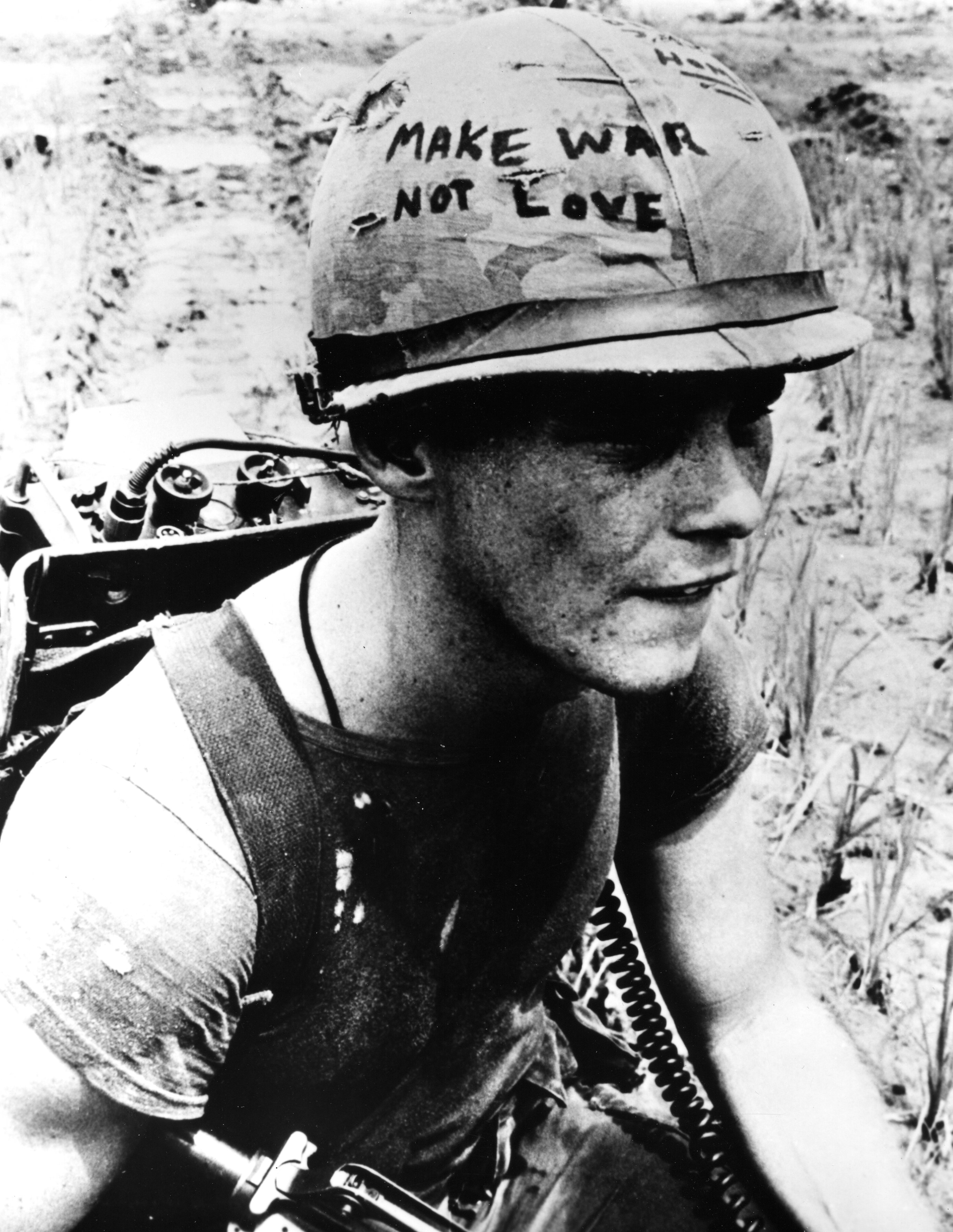
“In the Year of the Pig” was the first major documentary in protest of American involvement in Vietnam and it’s admirable that director Emile de Antonio rejected the era’s fashionable agitprop to instead carefully delineate the war’s trajectory from a post-war French colonial issue, to a regional political struggle to a suddenly important outpost in the international fight against communism. A thought-provoking stew of vital interviews and ground-level footage, this is perhaps the first film of the radical left to ever receive an Oscar nomination in the documentary category.
(In the Year of the Pig, 1968)

***********************************
gimme shelter

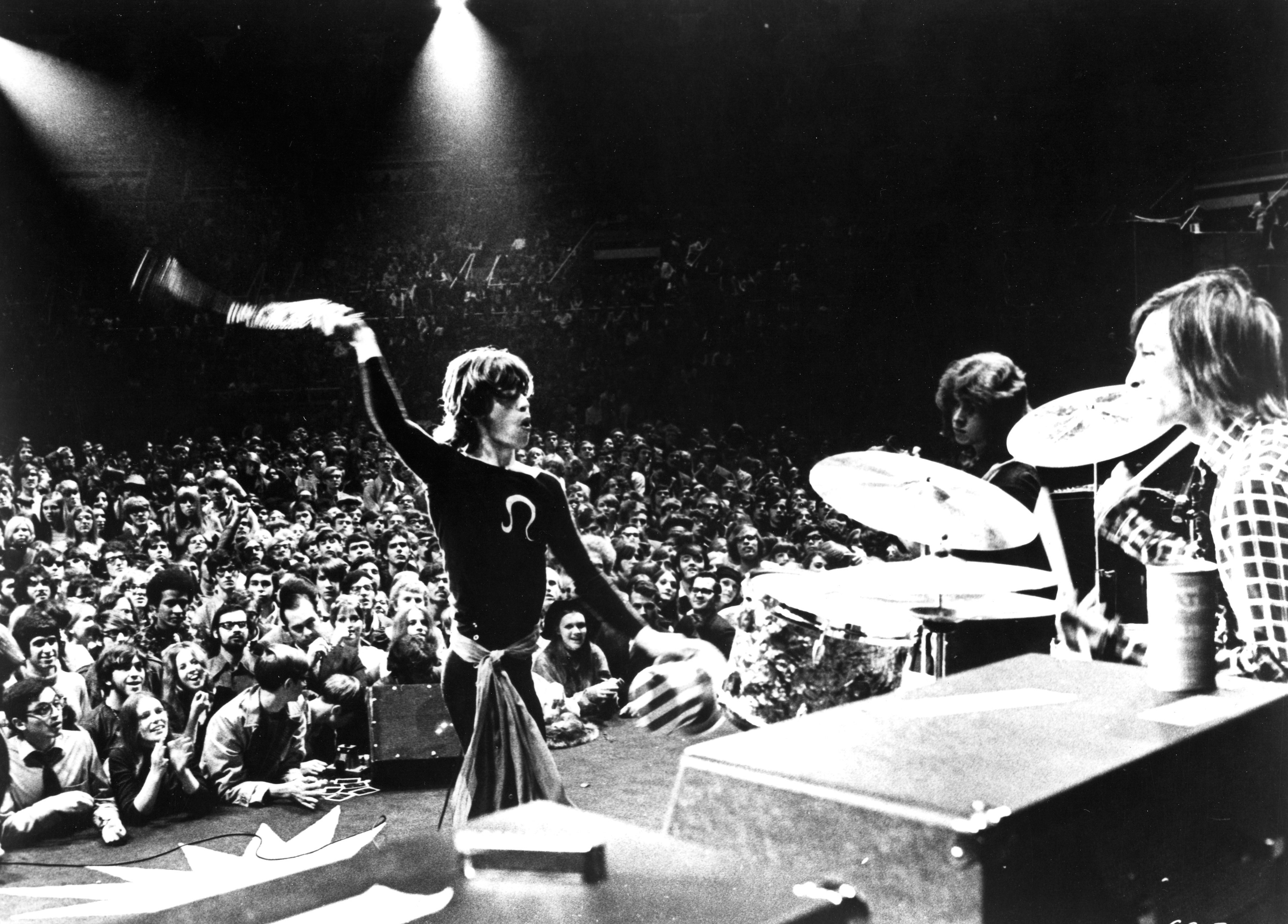
The Rolling Stones hired the Maysles brothers, along with their frequent collaborator Charlotte Zwerin, to document their 1969 American tour, the first where they were introduced as “the Greatest Rock and Roll Band in the World.” Right from the film’s first musical number, a turbo-charged version of “Satisfaction” from a Madison Square Garden show, the Stones do their best to live up to that hype. Times have changed since the Beatles invented the modern rock concert a half-decade earlier. Witness the communal hero-worship, the sophisticated sound system, the druggy ambience. Certainly, the sexually-charged appeal of singer Mick Jagger is a far cry from the schoolgirl crushes inspired by the Fab Four in the mid-6os. But the Stones had missed out on Woodstock, which had happened a few months before their arrival. They were already looking ahead to staging a one-day free festival in California at the end of the tour, hoping to create their own “microcosmic society,” a memorable decade-ending event. That it certainly was…
(Gimme Shelter, 1970)

************************************

shoah

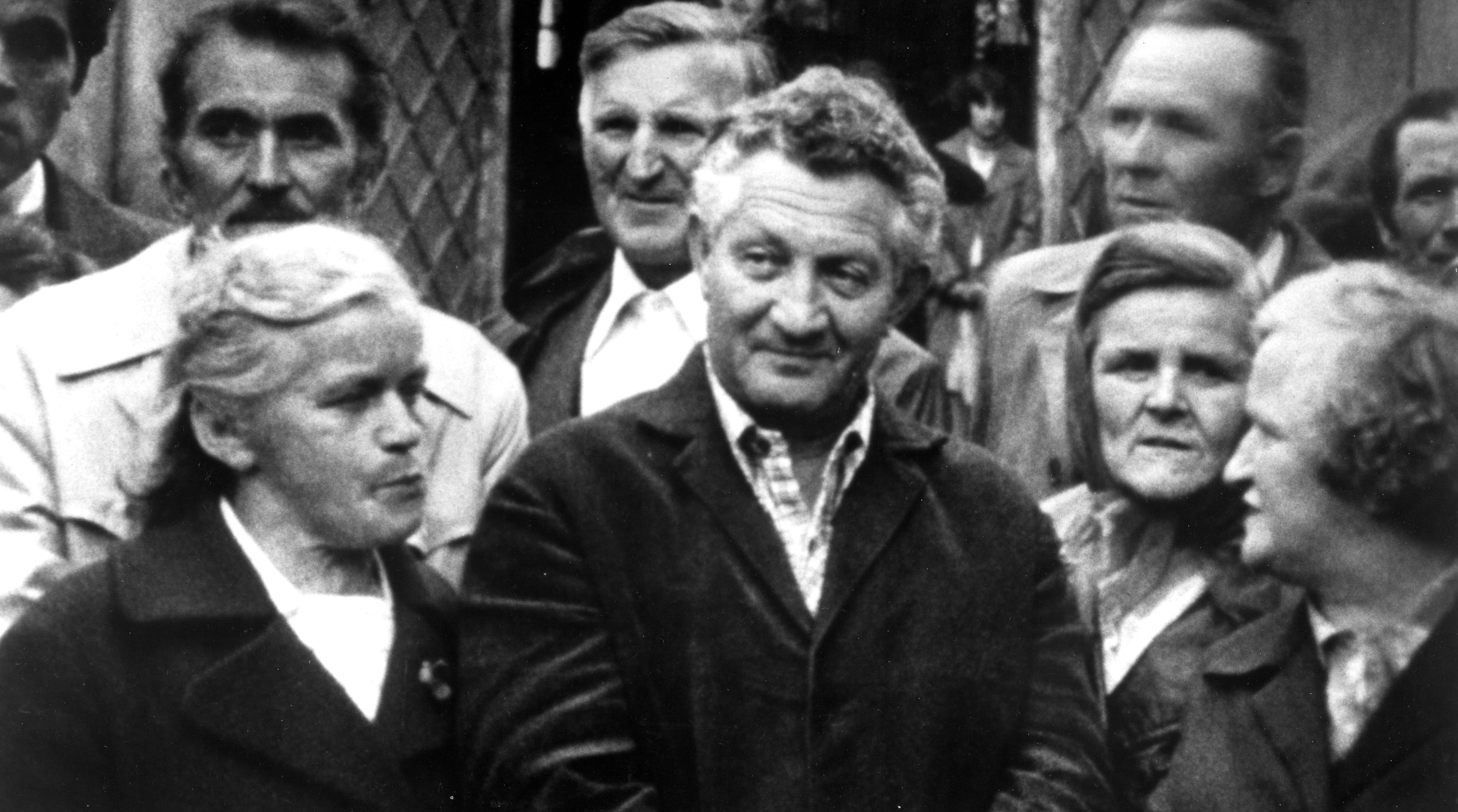
The film begins in Chelmno, Poland, where some of the earliest exterminations of prisoners first took place (starting in December 1941), and where hundreds of thousand were eventually put to death in its infamous gassing vans. By the end of the war, with Soviet forces closing in, the German guards set out to kill all those still alive. Fifteen-year-old Simon Srebnik was one of the less than five people to survive this desperate massacre. After recovering from his wounds (a bullet had grazed his head) he moved to Israel, but he is persuaded by Lanzmann to return to Chelmno thirty-four years later. After walking down a country road with a haunted look on his face—-as if he’s half-expecting to be apprehended—-Srebnik identifies the sight of the concentration camp where the foundation of the vast crematorium is still visible. “No one can re-create what happened here,” he says. “Impossible! And no one can understand it.”
(Shoah, 1985. Pictured is Simon Srebnik with residents of Chelmno, likely in the late 1970s)

****************************************

img424

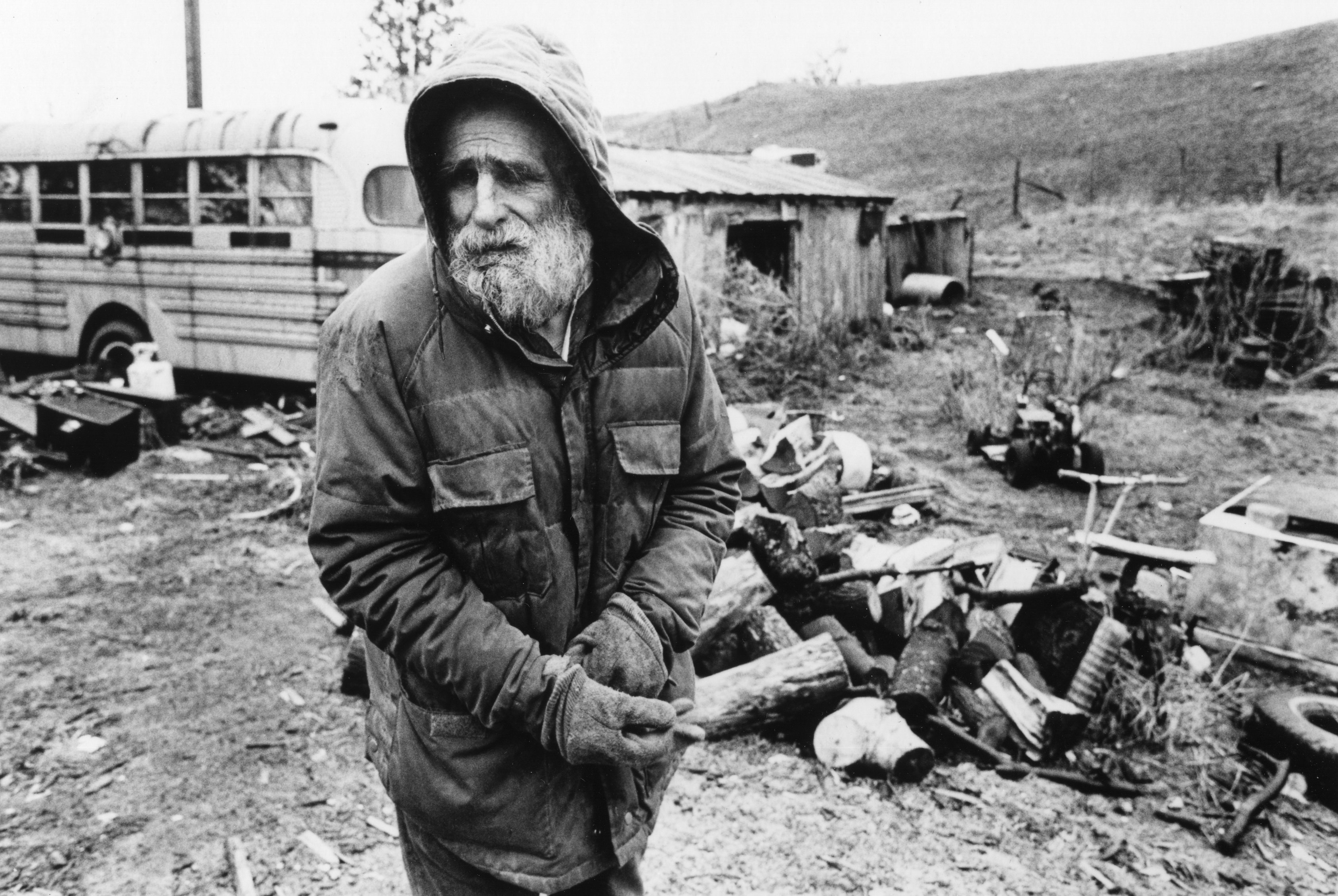
The subject of Joe Berlinger and Bruce Sinofsky’s first film are the “Ward boys,” four elderly bachelor brothers who run a small dairy farm in upstate New York. They lead a hermitlike existence centered around their squalid farmhouse; aside from daily trips to the market, they have very little to do with the outside world, and vice versa. Their quiet lives change drastically when one of the brothers dies in bed and another, Delbert, is charged with his murder. Soon after the arrest, the Wards learn they have a lot to both fear and appreciate from the society they have closed themselves off from. The state police and the district attorney show about as much concern for common decency as the brothers do for personal hygiene. The police manage to wrangle a confession out of an unrepresented Delbert Ward, a man of low IQ—-a “triumph” they and the DA’s office follow up with a series of ever-more-questionable tactics that culminate in a desperate attempt to turn the whole thing into an incestuous sex crime when their case seems to be faltering. The townspeople of Munnsville, on the other hand, rally around the Wards with a surprising show of support and affection.
(Brother’s Keeper, 1992)