Month: January 2014

Documenting the Beatles on Film

Plus the Rutles: All You Need is Laughs
compleat
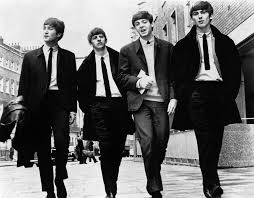
The coolest-looking quartet ever, at the height of world domination
rutles pysch
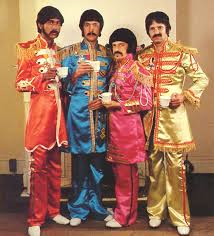
The Rutles, caught in the act of drinking tea, seen during their “Tragical History Tour”

Considering the Beatles overarching prominence in rock history, it’s a little odd that there isn’t currently available a standard-length documentary that captures their glory in any definitive sense. Perhaps this is understandable; maybe the story is just too big to be captured in one sitting. I cherish my copied-from-the-library tape of 1982’s The Compleat Beatles, a straightforward two-hour clips-and-commentary doc narrated by Malcolm McDowell. This thoughtful, soup-to-nuts approach makes for an impressive, single-volume encapsulation of the band’s legendary success in both artistic and commercial terms. Unfortunately, after its theatrical run and a successful release on videocassette it sort of dropped from view, remaining unreleased on DVD and relegated to spotty-quality ten-minute chunks on YouTube.

It could be said that 1995’s Beatles Anthology, a 3-part television special, supplanted the need for the less in-depth “Compleat”. The Anthology series does have a lot going for it, especially extensive interviews with the then three surviving Fabs. It also had a serious case of the recently discovered Ken Burns Syndrome, clocking in at 683 minutes. That may have been heaven on earth for Beatlemaniac bingers, but for the lean and mean younger generations (millions of whom have an instinctive inclination to love the band as we boomers did) this is about 583 minutes too much. Maybe some sort of updated variation on “The Compleat Beatles” will eventually see the light of day. It is important. John, Paul, George and Ringo are a shining example of creative striving and inspired collaboration. It’s also a sublime lesson in how to affect societal change using a light touch, and that being rebellious does not have to mean being revolting (yes, we’re pointing fingers at you, Mr. Beiber and Ms. Cyrus).
compleat vhs 4195
The Compleat Beatles–Now available on VHS from Amazon for only $41.95

It may be that 1964’s A Hard Day’s Night will end up being the best real-life record of their initial career peak, seeing that director Richard Lester smartly chose a pseudo-doc style that mirrored the Maysles Brothers’ What’s Happening! The Beatles in the USA shot on the band’s epoch-making American visit just weeks before Lester’s cameras started rolling. (Almost exactly a half-century ago. See my previous post for details!) Of course, there were also documentary cameras running during the turmoil that pointed to the band’s break up in 1970. Yet if it weren’t for bootlegs and the InterWebs, little would be seen nowadays of Michael Lindsay-Hogg’s Let it Be. McCartney and Starr show little inclination at this late date to re-air the group’s dirty laundry, although a lot of the worst of it was left on the cutting room floor. Despite the uneasy vibe and Yoko Ono’s divisive presence in Lennon’s corner of the soundstage, there are gratifying moments from the Jan. 1969 filming—an electric studio performance of the bittersweet John/Paul valedictory “Two of Us” and of course the oft-imitated rooftop concert, as London pedestrians crane their necks trying to get a last look at the world’s most famous rock band playing live.

With Compleat Beatles out of print, maybe the current front-runner as the best one-sitting Beatles film bio is—wait for it—The Rutles: All You Need is Cash. This 1978 satire began a few years before as a skit on a UK television show by Monty Python alum Eric Idle. When he hosted Saturday Night Live in ’76, he brought the clip (the gag where Idle as onsite narrator finds the camera van pulling away from him) to air on the show. Idle teamed with SNL producer Lorne Michaels and director Gary Weis (whose short films were a staple of the show’s early days) to virtually invent the rock mockumentary with their wickedly funny film about Dirk, Nasty, Stig and Barry—the alternate-universe moptops whose “legend will last a lunchtime.”

With Idle playing the hapless presenter (as well as the Paul-like Dirk) All You Need is Cash is just as much a spoof of the documentary form as it is of the Beatles. Often showing up at the wrong locale or getting nowhere with certain interviewees, he still manages to tell the entire tale of the Pre-Fab Four. Completing the Liverpool chapter after catching up with his van, he takes us to Hamburg, where the Rutles learn the ropes playing dodgy, red-light district nightclubs on Hamburg’s Reeperbahn (“the naughtiest street in the world”). That’s followed by segments on their great success in America (including their record-breaking concert at “Che Stadium”), their experimentations with tea (endless pots of it) that led to such way-out records as “Sgt. Rutter’s Darts Club Band” (“a millstone in pop history”) and onto their final works, “Shabby Road” and “Let it Rot” which was “released in 1970 as an album, a film and a lawsuit.”
rutles roof
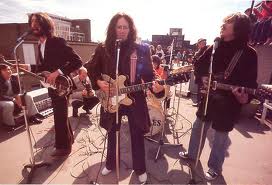
Fun fact: The Rutles rooftop performance was so bad they got arrested.

As you can tell, the Rutles saga is chock full of that dry Flying Circus wit, livened by the sharp performance of Python sidekick Neil Innes as the Lennon-like Nasty. Innes, ex of the Bonzo Dog Band, composed the many spot-on song parodies, doppelgangers like “Ouch!” (Help!), “Piggy in the Middle” (I Am the Walrus) and “Doubleback Alley” (Penny Lane). It’s remarkable how the slightest sardonic twist can transform real-life musical legends into a band of incompetents. This does lead to some lapses in logic—could these goof-offs really sell out Che Stadium? But it’s the conspiratorial allowance to have a bit of fun with our cultural icons, and recognize the tendency to place them a little too high on a pedestal, that in the end shoots their stock value even higher.

And what of the band’s reaction? John apparently loved the Rutles and refused to return the preview tape he was given. One can imagine his secret delight at the film’s scenario of having Nasty hook up with destructo-artist Chastity, “a simple German girl whose father invented World War II.” Ringo reportedly loved the scenes set in the salad days, but not so much the parts that skewered the band’s messy dissolution. Paul’s reaction was pretty frosty but he may have come around when wife Linda became a Rutles fan. George of course was a big Monty Python supporter and even appears in the movie, playing a silver-haired reporter who interviews Michael Palin as an executive of Rutle Corp. (i.e. Apple) who assures us that everything is A-OK with the group’s finances even as thieves empty out the offices in the background. People with fond memories of the first incarnation of SNL will also enjoy the cameos by John Belushi, Gilda Radner, Bill Murray and Dan Akroyd.
rut bluray

The recent Blu-ray release The Rutles Anthology includes the decent 2005 sequel Can’t Buy Me Lunch. This 56-minute follow-up fleshes out the Rutles Apocrypha with outtakes from the first film and includes some amusing new bits like the ongoing routine where Eric Idle’s presenter faces competition from a microphone-stealing Jimmy Fallon. But as where “All You Need is Cash” featured droll testimonials from Mick Jagger and Paul Simon playing themselves, here we get the likes of Gary Shandling, Russell Brand and Tom Hanks rambling on witlessly (and redundantly) about how much the Rutles meant to them. It only serves to emphasize what the project was originally poking fun at. This mockumentary thing can be a tricky business
The Beatles meet the Maysles, 7 Feb 1964

first US

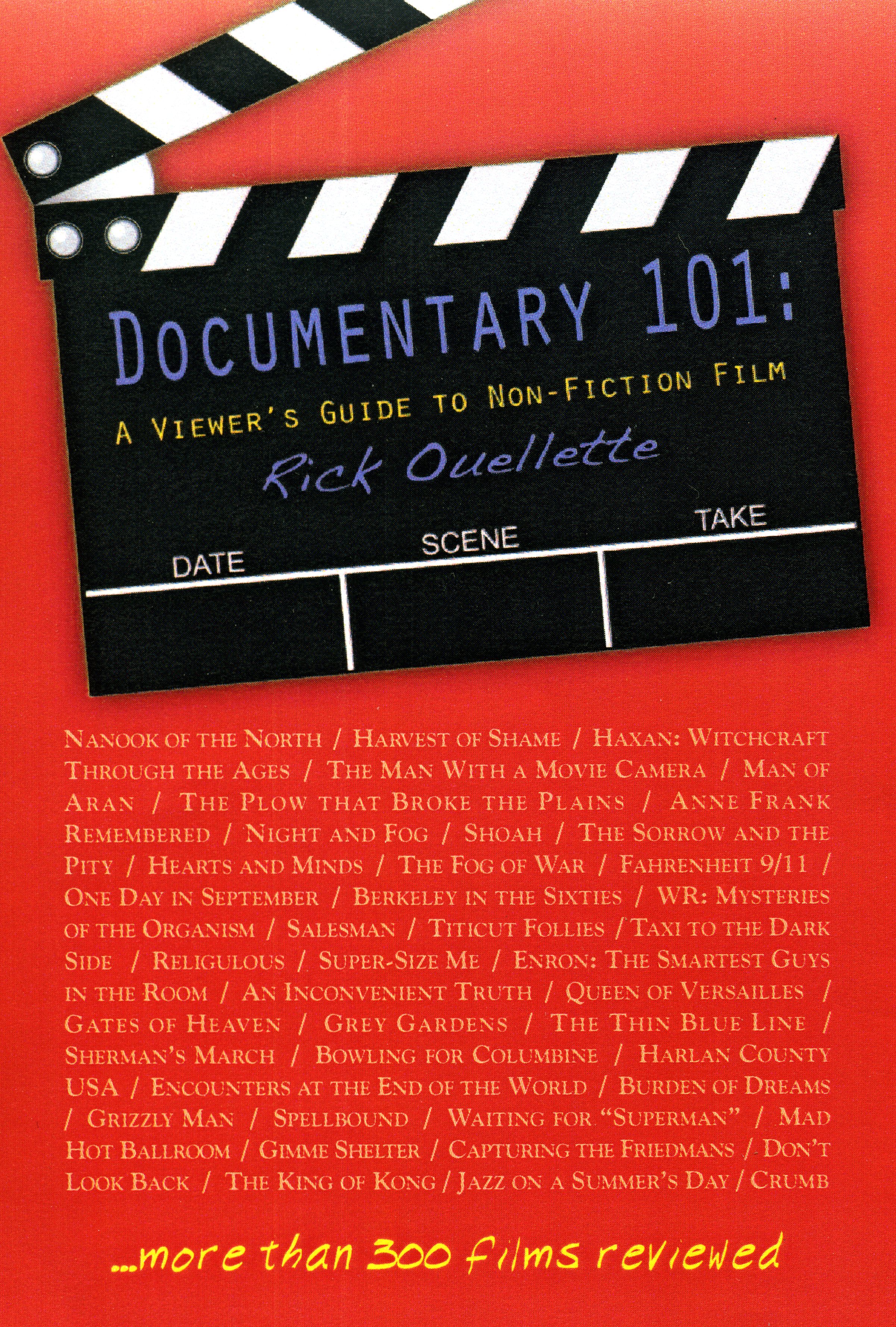
The review below taken From “Documentary 101: A Viewer’s Guide to Non-Fiction Film”
Now on sale: http://booklocker.com/books/6965.html (This author page has an extended book excerpt. Also available from Amazon and barnesandnoble.com)

img363

The Beatles: The First U.S. Visit
Albert and David Maysles—1964/1991—83 minutes

It was only ten weeks after the assassination of President John Kennedy. With the pall of national tragedy still in the air that winter, the filmmaking team of Albert and David Maysles got a call from Granada Television in England saying a musical group named the Beatles were arriving in New York in a couple of hours and would they mind heading down and maybe getting some footage? Albert was a bit nonplussed but younger brother David was more hip to the current pop scene and sensed the opportunity. After negotiating a deal right there on the phone, the light-traveling duo were on their way to recently renamed John F. Kennedy Airport, getting there just in time for the famous moment when John, Paul, George, and Ringo hesitated a moment at the top of the steps while leaving the plane, realizing that the hordes of people lining the balcony of the terminal were there for them and not some head of state as they first thought. And just like that the Maysles brothers found themselves in the middle of one of the twentieth century’s defining cultural moments. The First U.S. Visit is a 1991 re-edit of the original ’64 film (called “What’s Happening: The Beatles in the U.S.A.”) that adds more music and excises some interview material. But both versions pull the viewer right into the middle of the tumultuous birth of 1960s youth culture. It also features the Beatles performing thirteen unedited songs, from both a Washington, D.C., concert and the epochal Ed Sullivan Show TV appearances.

beatles in Miami
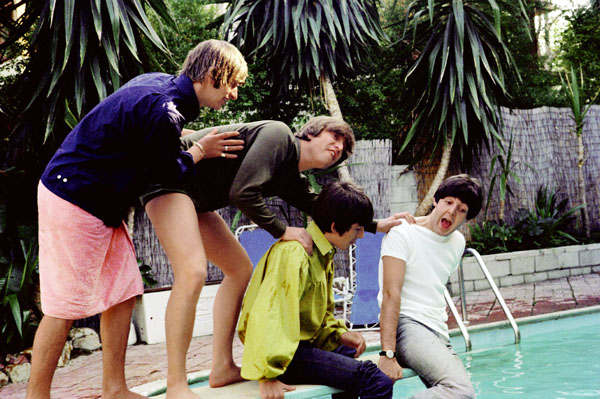
Twisting by the pool in Miami Beach, 1964

The Beatles were poised for big things and “I Want to Hold Your Hand” (their first widely distributed single in the U.S.) had hit #1 two weeks previous. Early segments show famed DJ Murray the K in his studio hyping them up but establishment media were often belittling in their opinions and their long-term prospects in America were uncertain. At the airport press conference they quickly charm the jaded New York press corps with their contagious high spirits and sharp wit, then are whisked off to Manhattan and to a rock ’n’ roll superstardom never to be equaled. Although a few hours before they had hardly heard of the Fab Four, the filmmakers found themselves squished into the back of a limo with the confident but still nonplussed band members. Arriving at the Plaza Hotel, we get the first dose of Beatlemania up close with fans pounding on the window, the boys dashing from the car to the lobby door, and the scenes of police struggling to keep back the hordes, all soon to become iconic images of the decade. Two nights later, on February 9, 1964, the band would make television history with 73 million people tuning in to Sullivan’s Sunday-night showcase. The Maysles brothers would tag along for the next five days with unfettered access and whether it’s the boys goofing around in hotel rooms, dancing at the Peppermint Lounge, or getting photographed in Central Park, the camera never seems more than a few feet away from the action.

When it’s time to head south for the D.C. concert, the whole entourage takes the train like it is no big deal and the band jovially mingles with the other passengers. The group here is shown at a giddy apex of fame just before becoming imprisoned by their own celebrity. And although the performances on Sullivan’s show seem as fresh and buoyant as ever, the gig at the old Washington Coliseum may be the musical highlight here. Playing from a makeshift stage in the middle of the arena, the group is surrounded by the deafening din of screaming girls but cut through the pandemonium with a manic energy unseen on the tube. “I Saw Her Standing There” rocks with an almost punkish jolt and Ringo gets a rare concert lead vocal during a likewise frenetic “I Wanna Be Your Man.” The sight of the four of them having to turn around their own amps and rotate the drum riser to play to a different part of the house couldn’t be quainter—roadies weren’t even invented yet!

The Beatles raise the roof on the Washington Coliseum, Feb. 11th, 1964

Ed Sullivan is waiting down in Miami Beach, ready to introduce these “fine youngsters” for the second of the three consecutive weeks on his show. Although the Maysles brothers’ time with the Beatles ended down there, also included is their return appearance (taped earlier) at the regular New York location for week three on Sullivan (with a farewell rave-up of “Twist and Shout” and “I Want to Hold Your Hand”) and a bit of their departure and triumphal airport reception back in London.

The filmmakers’ methods seem to point the way to one of rock’s most celebrated films, “A Hard Day’s Night”, which started filming a month after the group’s return. That movie’s director, Richard Lester, carefully crafted a pseudo-documentary feel and a few notable scenes, like the mob-besieged Beatles running to their catch their train before being eaten alive, were not staged but done spontaneously, a bit of cinematic verisimilitude not appreciated by the band. “What’s Happening!” (as it was still known) was a great feather in the cap for the Maysles brothers. With an eerie symmetry, these Johnny-on-the-spot filmmakers would close out the 1960s with “Gimme Shelter”, unwittingly filming the dark flip side of the scene the Beatles created while following a late 1969 tour by the Rolling Stones.

Epic Rock, Part One: Take Back Your Attention Span in 2014

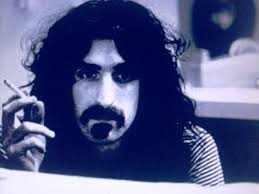
zappa2

Happy New Year from Reel and Rock!

Here’s a preview of a feature that will begin on a regular basis sometime next month. The next few posts will be dedicated to the upcoming 50th anniversary of the Beatles first arrival in America, an epochal turning point in the history of youth culture. At the rate the world spins in our hyper-technologized society, I find now more than ever the need to be lifted up and over it by the transformative power of music. Here are the first three entries in my survey of great rock tunes of over ten minutes in length, with the quixotic suggestion that they be listened to without distraction, a nearly lost art that I will expound upon in future entries.

“The Little House I Used to Live In”—Mothers of Invention (1969, 18:42)

A studious contrast to the class-clownish title of the album on which it was placed (“Burnt Weeny Sandwich”), this elegantly constructed jazz-rock piece was a big coming out party for Frank Zappa as a serious composer and bandleader. After the improv piano prelude by Ian Underwood, the group falls in abruptly with a syncopated groove of a type that was fast becoming a Zappa trademark: somewhat whimsical and marked by rigorous playing (including some stretches in 11/8 time). “Little House” is such a rewarding piece because funny-guy Frank checks his tendency to rely on pastiche and gives the work (which deftly alternates live and studio segments) a lyrical flow throughout, with emphatic jamming trading off with drifting interludes to keep things interesting. Violinist Sugar Cane Harris gets a lot of solo time and makes the most of it, while Zappa checks in with a great compact guitar lead, one foot heavy on the wah-wah pedal. A “sunburst” effect (using harpsichord, xylophone, flute and clarinet) leads to the finale, with Zappa sitting at the organ for a wild solo while the Mothers blaze away in a tempo that is barely comprehensible. Adventurous stuff for an adventurous time.

“Walk on By”—Isaac Hayes (1969, 12:00)
Though in later years he was better known as the animated character Chef on “South Park”, the late great Isaac Hayes will go down in pop history for the way he emerged from the Memphis recording scene in the late Sixties to play a huge role in the development of modern soul music. The writer-arranger-keyboardist for Stax Records may have been pictured in a suit and top hat on his 1967 debut solo LP, but by the follow-up it was a whole new ball of wax. The cover photo of “Hot Buttered Soul” was a high-angle shot that looked down on Ike’s imposing chrome dome while his bare torso sported an enormous gold chain. This guy was a player and he wasted no time in revolutionizing R&B in a way not unlike the way rock’s horizons were expanding in the psychedelic era. His epic funkification of “Walk on By”, that classic slice of Bert Bacharach-Hal David melancholia, kicked off the album. Backed by the legendary Bar-Kays and summoning all his prodigious arranging skills, the track sweeps in on a bed of strings and some hot, Southern-fried lead guitar by Michael Toles, which is soon sent thru some trippy stereo-panning effects. Flutes and female backing singers join with the steady pulse of the rhythm section as Hayes delivers the song in the deep, intimate voice soon to be world famous. What sounds like a conventional fadeout starts at the seven-minute mark and rides into the sunset with a magnificent coda longer than most singles of the time, with Toles’ soloing reaching fever pitch and Hayes’ organ glissandos adding to the building excitement. Over the course of the next several albums, Hayes would record many other tracks of similar or even greater length (witness the 18 minutes of “By the Time I Get to Phoenix” on side two of HBS) but none ever quite matched the grandeur of this.

“Star Storm”—UFO (1971, 18:54)
Until recently, I’ve only known UFO as those long-serving British thumpers who would occasionally turn up on a mix tape or compilation with an entertaining four-minute blast like “Doctor Doctor” or “Lights Out.” But classic rock’s golden period (roughly the mid-60s to the mid-70s) is the gift that keeps on giving and I recently found out about the group’s early, more psychedelic phase when Mick Bolton was the guitarist. Their second LP, “UFO 2: Flying” was aptly sub-titled “One Hour Space Rock.” That’s a lot to squeeze onto a single album and “Star Storm” wasn’t even the longest track, it’s nineteen minutes falling short of the 26-minute trajectory of the title track. But I’ll take this one for its way-out wayfaring, a period high point (as it were) in the annals of power-trio acid rock. The track begins and concludes with the husky vocals of mainstay lead singer Phil Mogg but it’s really all about Bolton leading the rhythm section (bassist Pete Way and drummer Andy Parker) through a sci-fi wonderland that you’ll be too happy to get lost in. Bolton puts his axe through all its paces and then some, with bracing bluesy soloing alternating with sections that run his instrument through a panoply of processed effects.